When a Child's Feet Develop Differently

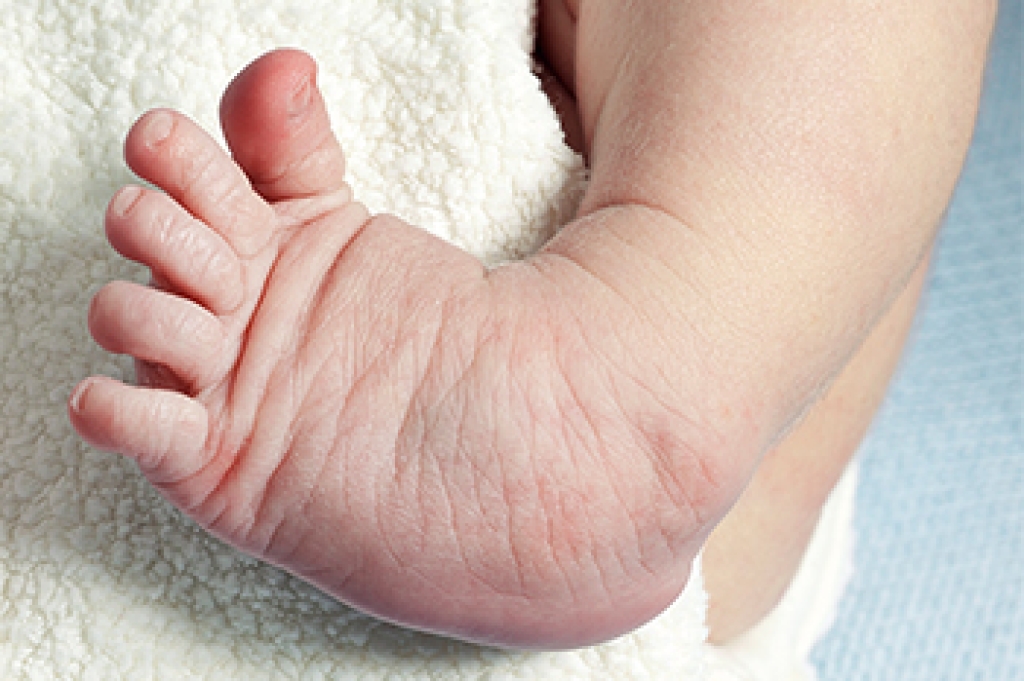
Some children are born with foot shapes that look different or affect how the foot functions as they grow. Common examples include calcaneovalgus, where the foot bends upward and outward, clubfoot, where the foot turns inward and downward, and metatarsus adductus, a condition in which the front part of the foot curves inward. Some problems are noticeable at birth, while others become clearer once a child begins standing or walking. Signs may include unusual foot positioning, difficulty with shoes, changes in walking, or discomfort, over time. A podiatrist can evaluate the condition, determine its severity, and recommend treatment based on the child's age and needs. Care may include monitoring, stretching, bracing, casting, or other supportive treatment to encourage healthy development. If your child has unusual foot positioning or walking concerns, it is suggested that you visit a podiatrist for expert guidance in managing the existing condition.

Congenital foot problems require immediate attention to avoid future complications. If you have any concerns, contact Dr. Kenneth Donovan of Advanced Care Foot and Ankle. Our doctor can provide the care you need to keep you pain-free and on your feet.

Congenital foot problems are deformities affecting the feet, toes, and/or ankles that children are born with. Some of these conditions have a genetic cause while others just happen. Some specific foot ailments that children may be born with include clubfeet, polydactyly/macrodactyly, and cleft foot. There are several other foot anomalies that can occur congenitally. What all of these conditions have in common is that a child may experience difficulty walking or performing everyday activities, as well as trouble finding footwear that fits their foot deformity. Some of these conditions are more serious than others. Consulting with a podiatrist as early as possible will help in properly diagnosing a child’s foot condition while getting the necessary treatment underway.

What are Causes of Congenital Foot Problem?

A congenital foot problem is one that happens to a child at birth. These conditions can be caused by a genetic predisposition, developmental or positional abnormalities during gestation, or with no known cause.

What are Symptoms of Congenital Foot Problems?

Symptoms vary by the congenital condition. Symptoms may consist of the following:

  • Clubfoot, where tendons are shortened, bones are shaped differently, and the Achilles tendon is tight, causing the foot to point in and down. It is also possible for the soles of the feet to face each other.
  • Polydactyly, which usually consists of a nubbin or small lump of tissue without a bone, a toe that is partially formed but has no joints, or an extra toe.
  • Vertical talus, where the talus bone forms in the wrong position causing other bones in the foot to line up improperly, the front of the foot to point up, and the bottom of the foot to stiffen, with no arch, and to curve out.
  • Tarsal coalition, when there is an abnormal connection of two or more bones in the foot leading to severe, rigid flatfoot.
  • Cleft foot, where there are missing toes, a V-shaped cleft, and other anatomical differences.
  • Macrodactyly, when the toes are abnormally large due to overgrowth of the underlying bone or soft tissue.

Treatment and Prevention

While there is nothing one can do to prevent congenital foot problems, raising awareness and receiving neonatal screenings are important. Early detection by taking your child to a podiatrist leads to the best outcome possible.

If you have any questions, please feel free to contact one of our offices located in Warren, Livingston, and Toms River, NJ . We offer the newest diagnostic and treatment technologies for all your foot care needs.


Read more about Congenital Foot Problems

Warming Up the Ankles With Stretches

Warming up the ankles before activity helps prepare the joints and muscles for movement and reduces strain during exercise. The ankle is a weight-bearing joint that must move smoothly in several directions to support walking, running, and jumping. Simple stretches that point the toes away and toward the body can improve flexibility and range of motion. Gentle ankle circles and controlled inward and outward movements help loosen the ligaments and tendons that guide the joint. Ankle warm-up exercises improve balance and coordination, which can lower the risk of sprains and injuries. A podiatrist can evaluate ankle movement, check for stiffness or weakness, and order imaging to look for hidden problems. Treatment plans include guided stretching programs, supportive bracing and custom orthotics to improve alignment and protect the joint. If you have stiff or painful ankles, it is suggested that you schedule an appointment with a podiatrist for a diagnosis and appropriate treatment.

Exercising your feet regularly with the proper foot wear is a great way to prevent injuries and build strength. If you have any concerns about your feet, contact Dr. Kenneth Donovan from Advanced Care Foot and Ankle. Our doctor can provide the care you need to keep you pain-free and on your feet.

Exercise for Your Feet

Exercise for your feet can help you gain strength, mobility and flexibility in your feet. They say that strengthening your feet can be just as rewarding as strengthening another part of the body. Your feet are very important, and we often forget about them in our daily tasks. But it is because of our feet that are we able to get going and do what we need to. For those of us fortunate enough to not have any foot problems, it is an important gesture to take care of them to ensure good health in the long run.

Some foot health exercises can include ankle pumps, tip-toeing, toe rises, lifting off the floor doing reps and sets, and flexing the toes. It is best to speak with Our doctor to determine an appropriate regimen for your needs. Everyone’s needs and bodies are different, and the activities required to maintain strength in the feet vary from individual to individual. 

Once you get into a routine of doing regular exercise, you may notice a difference in your feet and how strong they may become.

If you have any questions, please feel free to contact one of our offices located in Warren, Livingston, and Toms River, NJ . We offer the newest diagnostic and treatment technologies for all your foot care needs.
Read more about Exercise for Your Feet

Gout Pain Can Be Managed

Gout is a painful, inflammatory form of arthritis. Those affected will typically feel an intense stiffness in the joints of their feet, particularly in the big toe. Schedule a visit to learn about how gout can be managed and treated.

Understanding Foot and Ankle Pain From Bicycling

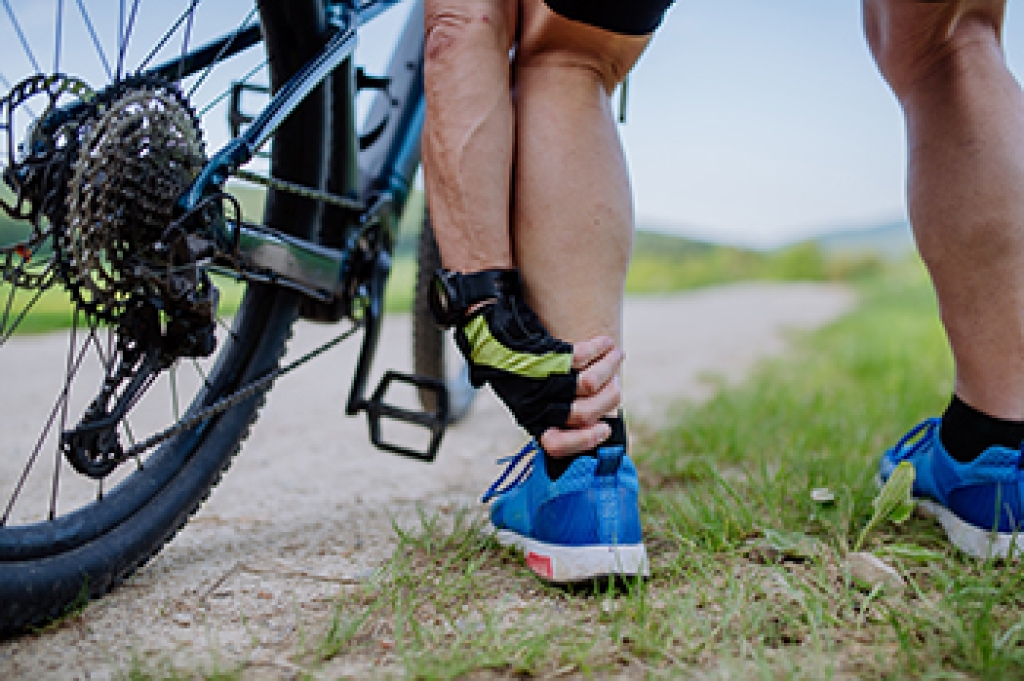
Foot and ankle pain while cycling is often related to bike setup and support. Achilles tendonitis can develop from the pedaling motion, especially when the saddle is set too high. This can lead to tightness and pain in the back of the ankle. Ankle discomfort may also occur in those with flat feet, which can affect stability during each pedal stroke. Foot pain is often linked to wearing shoes that lack proper support or riding in too high a gear. These factors increase pressure against the pedal and cause soreness or burning pain. Risk factors include repetitive motion, poor alignment, and improper equipment. A podiatrist can evaluate your foot mechanics and recommend supportive solutions. If cycling pain is limiting your rides, it is suggested that you consult a podiatrist who can provide effective relief solutions, enabling you to return to this popular activity.

Sports related foot and ankle injuries require proper treatment before players can go back to their regular routines. For more information, contact Dr. Kenneth Donovan of Advanced Care Foot and Ankle. Our doctor can provide the care you need to keep you pain-free and on your feet.

Sports Related Foot and Ankle Injuries

Foot and ankle injuries are a common occurrence when it comes to athletes of any sport. While many athletes dismiss the initial aches and pains, the truth is that ignoring potential foot and ankle injuries can lead to serious problems. As athletes continue to place pressure and strain the area further, a mild injury can turn into something as serious as a rupture and may lead to a permanent disability. There are many factors that contribute to sports related foot and ankle injuries, which include failure to warm up properly, not providing support or wearing bad footwear. Common injuries and conditions athletes face, including:

  • Plantar Fasciitis
  • Achilles Tendinitis
  • Achilles Tendon Rupture
  • Ankle Sprains

Sports related injuries are commonly treated using the RICE method. This includes rest, applying ice to the injured area, compression and elevating the ankle. More serious sprains and injuries may require surgery, which could include arthroscopic and reconstructive surgery. Rehabilitation and therapy may also be required in order to get any recovering athlete to become fully functional again. Any unusual aches and pains an athlete sustains must be evaluated by a licensed, reputable medical professional.

If you have any questions please contact one of our offices located in Warren, Livingston, and Toms River, NJ . We offer the newest diagnostic and treatment technologies for all your foot and ankle needs.

Read more about Sports Related Foot and Ankle Injuries

How Toe Deformities Can Disrupt Foot Mechanics and Increase Strain

A hammertoe occurs when one of the smaller toes bends abnormally at the middle joint, creating a curled or claw-like shape. While it may begin as a mild change, it can gradually affect how the entire foot functions. As the toe loses its normal position, pressure shifts to the ball of the foot, altering weight distribution with each step. This can place extra demand on surrounding joints, tendons, and muscles, leading to compensation patterns in walking. Over time, these changes can increase tension along the sole of the foot, particularly in the plantar fascia, the band of tissue that supports the arch. As strain builds, discomfort may extend beyond the toes into the heel or ankle. Without proper management, the condition can worsen and impact overall mobility. If you have a hammertoe, it is suggested that you seek early care and guidance from a podiatrist who can help restore balance and reduce ongoing foot stress.

Hammertoe

Hammertoes can be a painful condition to live with. For more information, contact Dr. Kenneth Donovan from Advanced Care Foot and Ankle. Our doctor will answer any of your foot- and ankle-related questions.

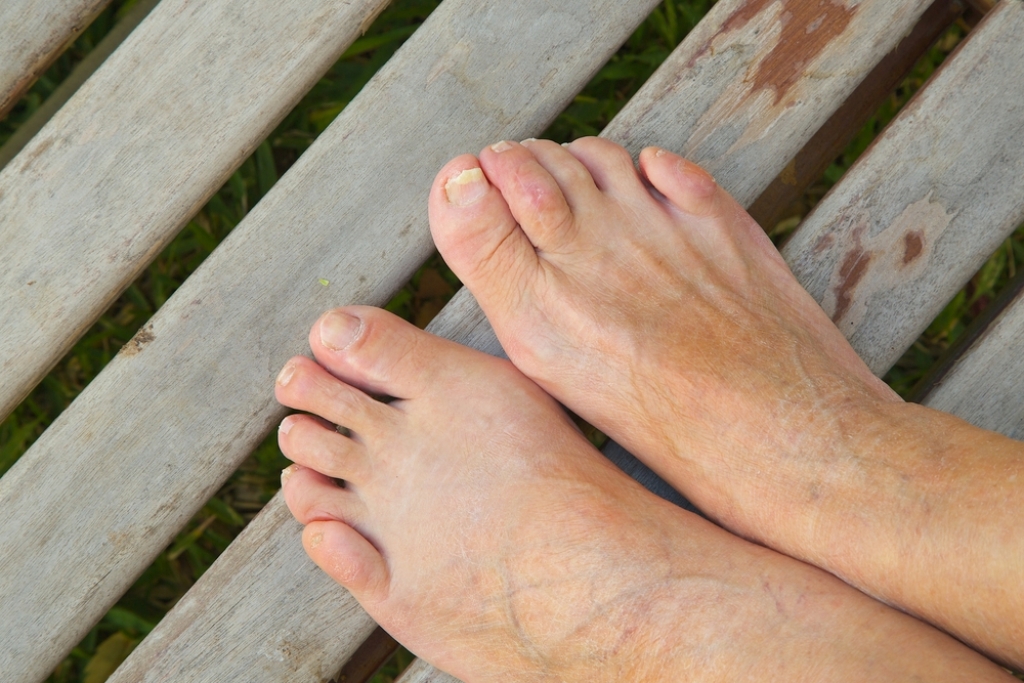
Hammertoe is a foot deformity that affects the joints of the second, third, fourth, or fifth toes of your feet. It is a painful foot condition in which these toes curl and arch up, which can often lead to pain when wearing footwear.

Symptoms

  • Pain in the affected toes
  • Development of corns or calluses due to friction
  • Inflammation
  • Redness
  • Contracture of the toes

Causes

Genetics – People who are genetically predisposed to hammertoe are often more susceptible

Arthritis – Because arthritis affects the joints in your toes, further deformities stemming from arthritis can occur

Trauma – Direct trauma to the toes could potentially lead to hammertoe

Ill-fitting shoes – Undue pressure on the front of the toes from ill-fitting shoes can potentially lead to the development of hammertoe

Treatment

Orthotics – Custom made inserts can be used to help relieve pressure placed on the toes and therefore relieve some of the pain associated with it

Medications – Oral medications such as anti-inflammatories or NSAIDs could be used to treat the pain and inflammation hammertoes causes. Injections of corticosteroids are also sometimes used

Surgery – In more severe cases where the hammertoes have become more rigid, foot surgery is a potential option

If you have any questions, please feel free to contact one of our offices located in Warren, Livingston, and Toms River, NJ . We offer the newest diagnostic and treatment technologies for all your foot care needs.
Read more about Hammertoe

Connect With Us